Свяжитесь с Zhouxiang

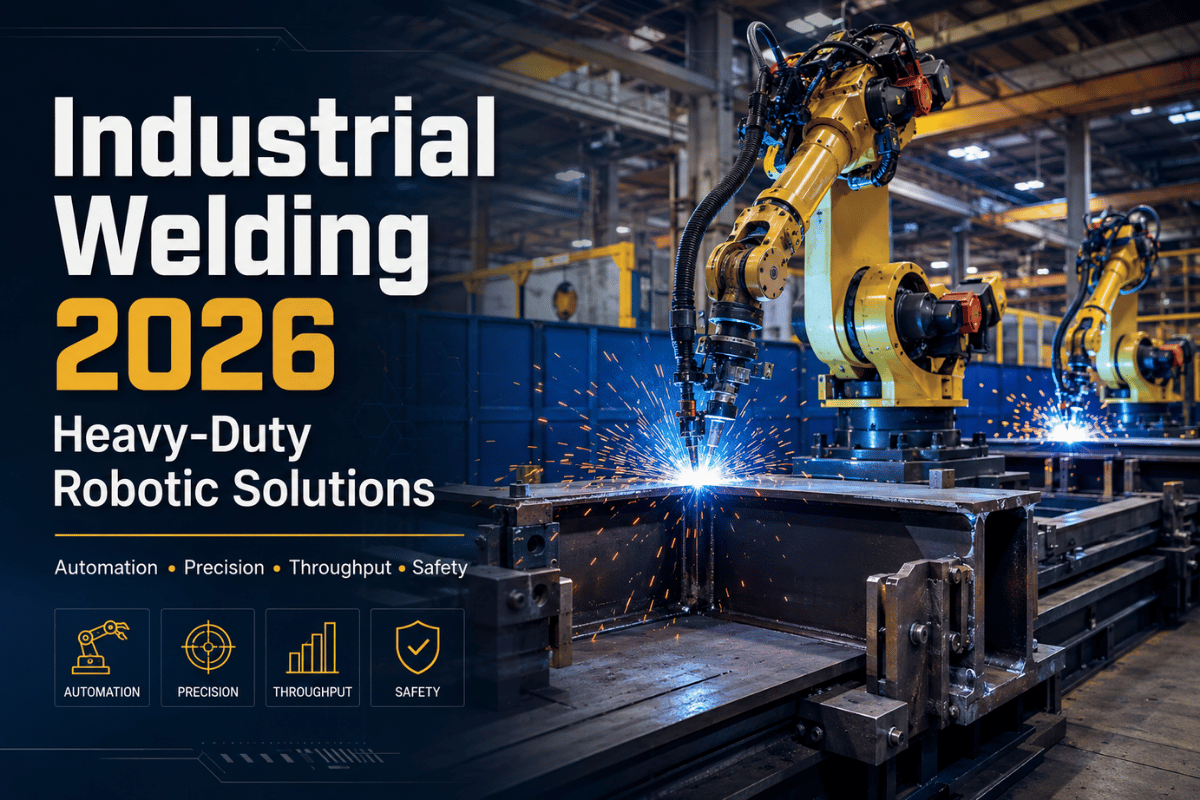
Краткие характеристики — справочник по промышленным сварочным роботам
| Типичный радиус действия (шарнирный манипулятор) | 0,6 – 4,0 m |
| Грузоподъёмность на запястье | 5 – 700 kg (в зависимости от модели) |
| Повторяемость позиционирования (по ISO 9283) | ±0.02 – ±0,08 mm |
| Конфигурация по осям | 6 стандартных / 7-9 для консольной конструкции / +2 для позиционера |
| Поддерживаемые процессы сварки | GMAW (MIG), GTAW (TIG), FCAW, плазменная, лазерная, гибридная лазерно-дуговая, контактная точечная, SAW |
| Продолжительность включения (промышленная ячейка) | 70 – 95 % |
| Применимый стандарт безопасности | ISO 10218-1:2025 (робот) + ISO 10218-2:2025 (интеграция) |
О статье: это основное руководство для покупателей по роботизированной сварке в тяжёлом производстве. В нём есть ссылки на отдельные страницы продукции и подробные сравнительные материалы, если они доступны. Источники цифр приведены в тексте; если цены у поставщиков существенно различаются, мы указываем диапазоны и период, к которому они относятся.
Что означает промышленная сварка в 2026 году
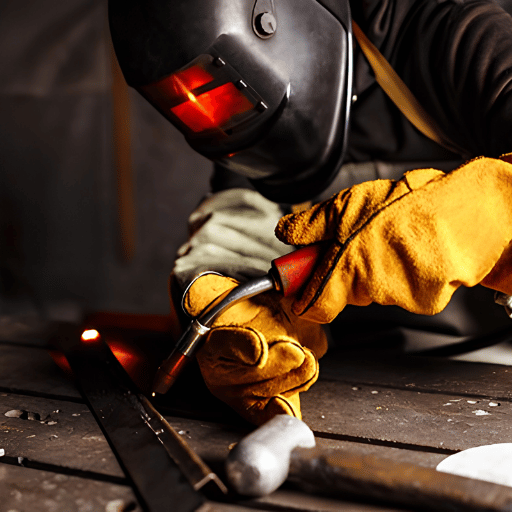 Промышленная сварка — это соединение металлов с высокой скоростью наплавки в производственных условиях, регулируемое нормами. Её применяют в цехах тяжёлого производства, на судоверфях, автомобильных заводах, фабриках башен ветрогенераторов, предприятиях по изготовлению сосудов под давлением и на трубопроводных площадках. В трёх важных аспектах она противоположна любительской сварке и ремонту: разнообразие процессов (за один цикл могут применяться шесть или более процессов, а не только GMAW), объём работ (сотни метров сварных швов за рабочий день) и соблюдение требований (наличие утверждённых технологических процедур (WPS, PQR), аттестованных по таким стандартам, как AWS D1.1, ASME Section IX или ISO 15614).
Сфера применения широка и продолжает расширяться. По данным Международной федерации робототехники, в 2024 году в мире насчитывалось 542 076 промышленных роботов; организация прогнозировала рост до 575 000 в 2025 году и более 700 000 ежегодно к 2028 году (согласно публикации World Robotics 2025). Сварка остаётся одним из трёх основных направлений применения этой технологии наряду с перемещением материалов и сборкой.
Краткий обзор IFR показывает, что на автомобилестроение приходится 23 % новых установок, а сегмент металлообработки и машиностроения растёт. Это прямо указывает, где наращивают мощности промышленной сварки.
Ситуацию в промышленной сварке в 2026 году определяют 3 фактора: нехватка квалифицированных сварщиков, активное развитие роботизированной сварки для любых сочетаний деталей и новый нормативный уровень, включая переиздание в 2025 году ISO 10218-1 и 10218-2. Далее в этом руководстве мы последовательно рассмотрим каждый из этих факторов.
Промышленная сварка — это соединение металлов с высокой скоростью наплавки в производственных условиях, регулируемое нормами. Её применяют в цехах тяжёлого производства, на судоверфях, автомобильных заводах, фабриках башен ветрогенераторов, предприятиях по изготовлению сосудов под давлением и на трубопроводных площадках. В трёх важных аспектах она противоположна любительской сварке и ремонту: разнообразие процессов (за один цикл могут применяться шесть или более процессов, а не только GMAW), объём работ (сотни метров сварных швов за рабочий день) и соблюдение требований (наличие утверждённых технологических процедур (WPS, PQR), аттестованных по таким стандартам, как AWS D1.1, ASME Section IX или ISO 15614).
Сфера применения широка и продолжает расширяться. По данным Международной федерации робототехники, в 2024 году в мире насчитывалось 542 076 промышленных роботов; организация прогнозировала рост до 575 000 в 2025 году и более 700 000 ежегодно к 2028 году (согласно публикации World Robotics 2025). Сварка остаётся одним из трёх основных направлений применения этой технологии наряду с перемещением материалов и сборкой.
Краткий обзор IFR показывает, что на автомобилестроение приходится 23 % новых установок, а сегмент металлообработки и машиностроения растёт. Это прямо указывает, где наращивают мощности промышленной сварки.
Ситуацию в промышленной сварке в 2026 году определяют 3 фактора: нехватка квалифицированных сварщиков, активное развитие роботизированной сварки для любых сочетаний деталей и новый нормативный уровень, включая переиздание в 2025 году ISO 10218-1 и 10218-2. Далее в этом руководстве мы последовательно рассмотрим каждый из этих факторов.
Основные процессы сварки в тяжёлой промышленности
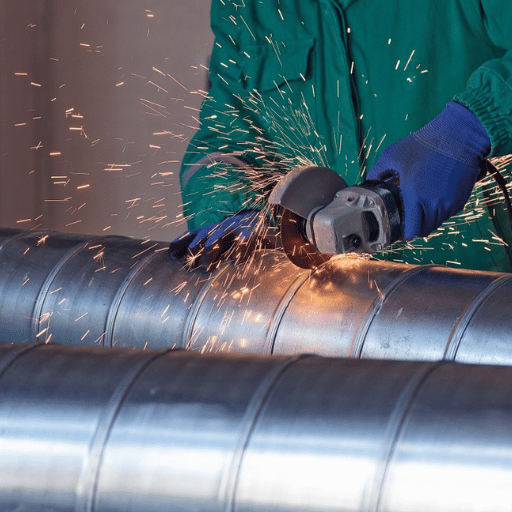 На промышленных предприятиях регулярно используют от шести до восьми процессов сварки. Их выбирают с учётом геометрии соединения, материала, положения и требуемой скорости наплавки. Ниже приведено сравнение по параметрам, важным для производственных решений.
| Процесс | Типичная скорость наплавки | Оптимальный диапазон толщин | Типичные отрасли |
|---|---|---|---|
| GMAW / MIG | 1,5 – 4 kg/h | 1 – 25 mm | Автомобилестроение, общее производство металлоконструкций |
| FCAW (с газовой защитой) | 3 – 12 kg/h | 6 – 75 mm | Металлоконструкции, судостроение |
| GTAW / TIG | 0,5 – 1,5 kg/h | 0,5 – 10 mm | Авиакосмическая промышленность, нержавеющая сталь, корневые проходы |
| SMAW / ручная дуговая сварка покрытым электродом | 0,8 – 3 kg/h | 3 – 50 mm | Монтажная сварка, трубопроводы, ремонт |
| SAW (сварка под флюсом) | 10 – 25 kg/h | 10 – 100+ mm | Башни ветрогенераторов, сосуды под давлением |
| Плазменная дуговая сварка | 0,5 – 2 kg/h | 0,5 – 8 mm | Нержавеющая сталь, точная сварка тонких деталей |
| Лазерная сварка | 0,5 – 3 kg/h | 0,5 – 20 mm | Автомобилестроение, электроника, точное производство |
| Гибридная лазерно-дуговая сварка | 3 – 8 kg/h | 5 – 30 mm | Судостроение, ветроэнергетика, толстолистовой металл |
Какие 4 основных вида сварки существуют?
Чаще всего в профессиональном обучении рассматривают четыре процесса: MIG (GMAW), TIG (GTAW), ручную дуговую сварку покрытым электродом (SMAW) и сварку порошковой проволокой (FCAW). Они охватывают большинство монтажных и цеховых задач, однако в реальных промышленных условиях перечень обычно включает как минимум восемь процессов, дополняясь сваркой под флюсом, плазменной, лазерной и гибридной лазерно-дуговой сваркой. Выбор определяется не предпочтениями, а компромиссом между скоростью наплавки и качеством, заданным нормами для соединения. Угловой шов длиной 30 mm на фланце башни ветрогенератора не выполняют TIG-сваркой: для этого используют сварку под флюсом или FCAW. Корневой проход на детали из нержавеющей стали толщиной 1,5 mm для пищевого оборудования не выполняют FCAW: для этого подходит TIG или импульсная MIG-сварка. На гибридную лазерно-дуговую сварку стоит обратить особое внимание: теперь она объединяет преимущества двух технологических процессов. В академическом сравнении для гибридной лазерной сварки с MIG зафиксировали на 26 % более высокую эффективность плавления, чем при лазерной сварке без гибридного процесса. Это существенное преимущество способствует внедрению технологии на линиях сборки судовых панелей и продольных швов башен ветрогенераторов.📐 Примечание для инженеров — скорость наплавки не решает всё
Высокая скорость наплавки повышает производительность, но увеличивает тепловложение и деформацию. Сварной шов толщиной 50 mm, выполненный за 4 прохода сваркой под флюсом, можно выполнять со скоростью 20 kg/hr, но тепловложение составит 50-150 kJ/cm. Это допустимо в пределах норм для нормализованной углеродистой стали и зачастую чрезмерно для закалённой и отпущенной стали или нержавеющей стали. Прежде чем выбирать процесс с максимальной скоростью наплавки, всегда проверяйте допустимый диапазон тепловложения в WPS.
Ручная и роботизированная сварка: когда автоматизация выгоднее
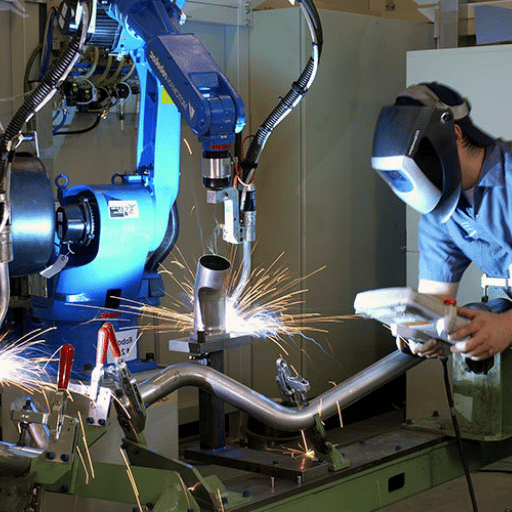 В 2026 году аргументы в пользу автоматизации связаны уже не только с производительностью, но и с нехваткой рабочей силы. В опубликованном Американским обществом сварщиков октябрьском анализе рынка труда за 2025 год в Welding Digest нехватка сварщиков в США оценивается примерно в 400 000 человек. При этом 157 000+ сварщиков приближаются к пенсионному возрасту, а для восполнения выбывающих кадров к 2029 году потребуется 320 500 новых специалистов. Средний возраст сварщика составляет около 55 лет, тогда как для всех работников в США — 42 года. Для производителей металлоконструкций вопрос уже не в том, «окупится ли автоматизация?», а в том, «сможем ли мы в следующем году нанять нужных операторов?»
Экономическое обоснование по-прежнему должно быть убедительным. В следующей матрице решений показано, когда роботизированная сварка или полностью автоматизированная программа наиболее целесообразны.
В 2026 году аргументы в пользу автоматизации связаны уже не только с производительностью, но и с нехваткой рабочей силы. В опубликованном Американским обществом сварщиков октябрьском анализе рынка труда за 2025 год в Welding Digest нехватка сварщиков в США оценивается примерно в 400 000 человек. При этом 157 000+ сварщиков приближаются к пенсионному возрасту, а для восполнения выбывающих кадров к 2029 году потребуется 320 500 новых специалистов. Средний возраст сварщика составляет около 55 лет, тогда как для всех работников в США — 42 года. Для производителей металлоконструкций вопрос уже не в том, «окупится ли автоматизация?», а в том, «сможем ли мы в следующем году нанять нужных операторов?»
Экономическое обоснование по-прежнему должно быть убедительным. В следующей матрице решений показано, когда роботизированная сварка или полностью автоматизированная программа наиболее целесообразны.
✔ Роботизированная сварка выгодна, когда
- Объём сварки для семейства деталей превышает примерно 500 часов в год (одна смена) или 200 часов (2 смены).
- Геометрия деталей повторяется от партии к партии; это относится даже к небольшим партиям, если для разных семейств деталей можно использовать общую оснастку.
- Допуски соединений строже, чем в среднем могут обеспечить даже самые квалифицированные сварщики при ручной сварке.
- Выявленный процент дефектов или затраты на доработку превышают средний показатель на линии в 2-3 %.
- Полные затраты на оплату труда и льготы сварщика превышают средний уровень по региону, а открытые вакансии не удаётся надёжно закрыть.
⚠ Ручная сварка остаётся целесообразной, когда
- Годовой выпуск состоит из разовых заказов или действительно штучных изделий с большим разнообразием и малыми объёмами.
- Ограниченный доступ (монтажные работы над головой, сварка внутри сосудов) делает любую стационарную ячейку неподходящей.
- Разброс допусков при сборке превышает возможности ячейки по компенсации отклонений с помощью слежения за сварным швом.
- Капитальный бюджет не позволяет рассчитывать на окупаемость за 12-24 месяца.
- Штат сварщиков стабилен и квалифицирован, массовый выход на пенсию не ожидается.
Может ли сварщик зарабатывать $100 000 в год?
Этот вопрос важен для расчёта автоматизации, поскольку затраты на труд сварщиков — основная составляющая ROI. Высококвалифицированные сварщики промышленного профиля, сертифицированные по AWS D1.1 и имеющие опыт работы на буровых установках и в период остановки производства, в 2026 году на рынках США действительно могут зарабатывать $100 000+ в год, хотя средняя зарплата сварщика значительно ниже. Для производственного планирования учитывайте полную стоимость труда (зарплата + льготы + накладные расходы + простои) в размере $55-90 в час. На ROI влияет как положение ставки в этом диапазоне, так и число часов ручной сварки, которые заменит ячейка. Есть важный нюанс: большинство неудачных проектов автоматизации сварки проваливается не из-за робота. В отчёте Daihen о неудачных внедрениях сделан вывод, что главной причиной было смещение деталей во время зажима: проекты подвела оснастка, а не управление дугой. Планируйте инвестиции в оснастку наравне с покупкой самого робота, а не как второстепенную статью расходов. Более подробно о соотношении затрат при роботизированной и ручной сварке читайте в нашем сравнении затрат на роботизированную и ручную сварку и руководстве по расчёту ROI роботизированной сварки.Мощные роботизированные сварочные системы для производства
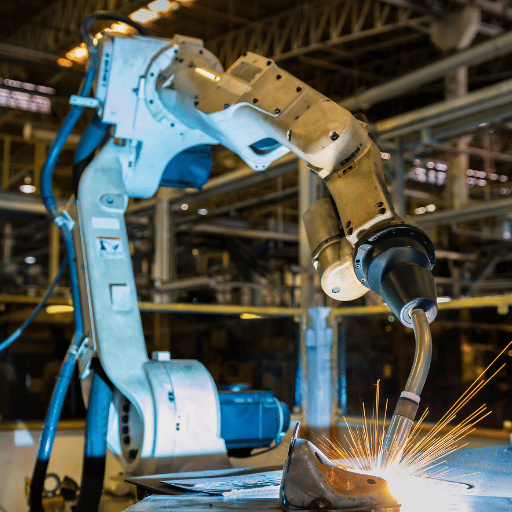 Мощный сварочный робот — это не отдельное изделие, а целое семейство архитектур роботизированных ячеек, каждая из которых адаптирована к размерам деталей и условиям производства. Реальные потребности большинства промышленных предприятий охватывают шесть архитектур.
| Архитектура | Размеры деталей | Типичная отрасль | Преимущество |
|---|---|---|---|
| Ячейка с 6-осевым шарнирным роботом | ≤ 2 m × 2 m × 1,5 m | Автомобилестроение, общее производство металлоконструкций | Высокая гибкость, минимальная занимаемая площадь |
| Портальный сварочный комплекс | До 30 × 5 × 3 m | Судостроение, сосуды под давлением | Крупные детали, без поворота изделия |
| Консольная конструкция (7/8/9 осей) | Длинные детали с большим радиусом действия | Балки металлоконструкций | Увеличенный радиус действия, доступ с одной стороны |
| Пост с напольной рельсовой системой | Длинные свариваемые изделия (15-50 m) | Мосты, колонны, трубопроводы | Перемещение вдоль свариваемого изделия |
| Мобильный робот на базе AGV | Переменные размеры, без стационарной ячейки | Мелкосерийное производство, крупные сборки | Возможность перемещения, гибкость |
| Сварочный кобот | Лёгкие детали, грузоподъёмность ≤ ~15 kg | Небольшие цеха, ограниченное разнообразие продукции | Простое программирование, низкие капитальные затраты |
«Большое разнообразие изделий и малые объёмы производства металлоконструкций больше не мешают автоматизации. Благодаря офлайн-программированию и современным инструментам планирования траектории затраты на программирование одной детали снизились настолько, что экономически оправданными стали даже партии из нескольких изделий». — По мотивам анализа мифов об автоматизации производства металлоконструкций компании AGT Robotics
⚠️ Коботы не заменяют мощные сварочные роботы для металлоконструкций
Рекламное обещание сварочных коботов — «та же работа, что и у промышленного робота, но программировать проще» — не выдерживает проверки расчётом грузоподъёмности при сварке металлоконструкций. Типичная сварочная горелка с кабельным пакетом весит от 8 до 15 kg ещё до установки дополнительных компонентов. Многие сварочные коботы рассчитаны на грузоподъёмность около ~15-20 kg или меньше, поэтому для лазерных датчиков слежения за швом, газовых экранов или брызгозащитных экранов остаётся мало запаса. Если учесть ограничения по продолжительности включения, которые коботы накладывают для обеспечения безопасности при совместной работе в одном пространстве, сварка балок металлоконструкций — требующая дугового времени 70-95 % при проходах длиной в несколько метров — выходит за пределы их возможностей. Коботы остаются подходящим решением для небольших деталей и цехов с ограниченным разнообразием изделий, но для линии сварки балок они не подходят. Подробнее об этом читайте в нашем сравнении коботов и промышленных роботов.
Применение и выбор процессов для разных отраслей
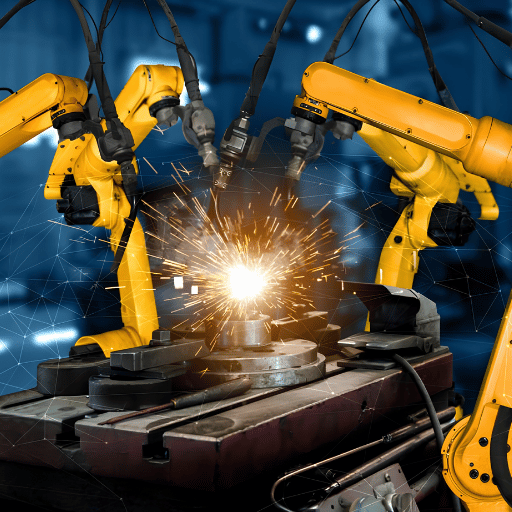 Выбор процесса и системы существенно различается в зависимости от отрасли: меняются применимые нормы, геометрия соединений и объём производства. Ниже для семи отраслей указаны основные нормы, типичный процесс и типичная архитектура системы.
| Отрасль | Применимые нормы | Основной процесс | Типичная система |
|---|---|---|---|
| Металлоконструкции | AWS D1.1 | FCAW, GMAW | Консольная или портальная конструкция + 6-осевой робот |
| Судостроение | AWS D3.6M / IACS | FCAW, гибридная лазерно-дуговая сварка | Портальная конструкция, линия сварки панелей |
| Ветроэнергетика (башни) | IEC 61400-6 | SAW, FCAW | Колонно-консольная установка + роликовый стенд |
| Сосуды под давлением | Раздел IX ASME | SAW, корневой проход GTAW + заполняющие проходы FCAW | Колонно-консольная установка + позиционер |
| Энергетика | ASME B31.1 | GTAW, горячая проволока TIG | Шарнирный робот + орбитальная головка |
| Автомобилестроение | AWS D8.6 / требования производителей автомобилей | Контактная точечная сварка, GMAW | 6-осевые ячейки, большое количество |
| Трубопроводы | API 1104 | Механизированная GMAW, SMAW | Орбитальная сварка труб передвижным автоматом, AGV |
Важные характеристики роботизированной сварочной системы
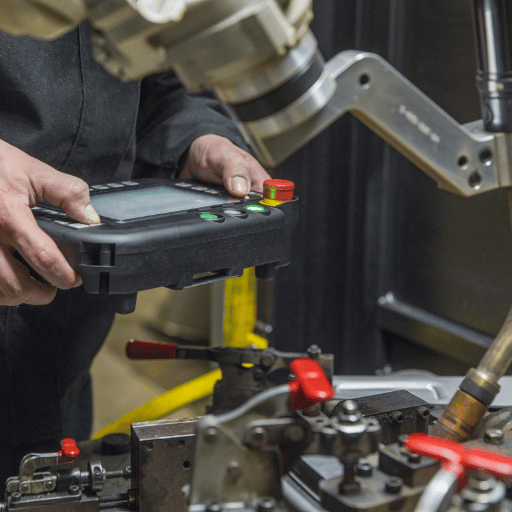 Чтобы запросить коммерческое предложение и получить содержательный ответ, нужно указать правильные параметры. Расплывчатые формулировки — «быстро», «точно», «гибко» — приводят к обобщённым предложениям. Характеристики ниже позволяют корректно сравнивать системы.
- ✔Количество осей. 6 осей — стандартная конфигурация шарнирного робота. 7-я ось (линейная направляющая) увеличивает радиус действия. 8-я и 9-я оси обычно обеспечивают синхронное с роботом перемещение позиционера, позволяя полностью вращать изделие под сварочной горелкой.
- ✔Радиус действия. Для шарнирных манипуляторов он составляет от 0.6 до 4,0 m. Для охвата всей рабочей зоны учитывайте радиус действия позиционера или рельсовой системы. Указывайте максимальный радиус действия до кончика сварочной горелки, а не до фланца запястья.
- ✔Грузоподъёмность на запястье. Укажите полную массу оборудования для процесса — сварочная горелка + кабели + датчики + принадлежности сопла — и предусмотрите запас 30 % для динамических нагрузок.
- ✔Повторяемость по ISO 9283. Для промышленных моделей заявляют ±0.02–±0,08 mm при полной нагрузке. Любое значение за пределами этого диапазона требует проверки; значение без ссылки на «по ISO 9283» следует считать рекламным заявлением.
- ✔Продолжительность включения. Для промышленных ячеек она составляет 70-95 %. У коботов и систем для совместной работы в одном пространстве этот показатель ниже из-за блокировок безопасности.
- ✔Интеграция датчиков. Лазерное слежение за сварным швом, контактное определение положения, слежение за дугой и идентификация деталей с помощью машинного зрения. Лазерное слежение стало современным стандартом для деталей, у которых отклонение подготовки кромок под сварку превышает 0,5 mm.
- ✔Способ программирования. Для единичных деталей используют пульт обучения, для производства — офлайн-программирование (OLP). Именно OLP делает рентабельным производство с большим разнообразием изделий и малыми объёмами — см. приведённый выше разбор мифов AGT.
Затраты, ROI и критерии выбора для покупателей
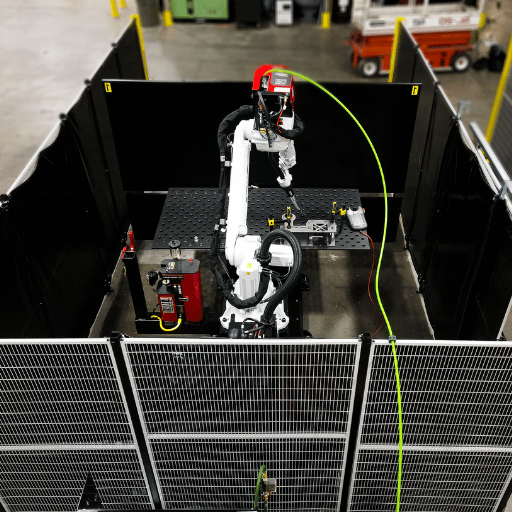
Приведённые ниже рыночные цены основаны на отраслевых источниках по состоянию на Q1 2026 и сильно зависят от объёма интеграции, принадлежностей, региональных ставок на труд и валюты. Используйте их как ориентиры для планирования, а не как цены из запросов коммерческих предложений.
Сколько стоит промышленный сварочный робот?
Стоимость оборудования делится на три уровня. Базовые комплекты сварочных коботов стоят около $38 950 согласно опубликованным ценам SwitchWeld за 2025 год; стоимость более продвинутых конфигураций кобота достигает примерно $150 000. Полноценные 6-осевые роботизированные сварочные ячейки с интеграцией обычно стоят $150 000–$400 000. Мощные интегрированные системы — портальные или консольные комплексы с позиционером, вытяжкой сварочных аэрозолей, датчиками и координацией нескольких роботов — стоят от $400 000 до $1 000 000+. Для расчёта ROI по конкретному проекту воспользуйтесь калькулятором стоимости сварочного робота и калькулятором ROI роботизированной сварки. По данным нескольких системных интеграторов (CLOOS, JagCo, evsint), срок окупаемости полноценных ячеек обычно составляет 12-22 месяца при работе в одну смену и 8-14 месяцев при работе в две смены. Для установок с коботами часто указывают срок 6-18 месяцев, если они заменяют ручной труд с высокой почасовой оплатой.Система оценки автоматизации промышленной сварки по 3 порогам
Подробнее о факторах стоимости читайте в нашем анализе стоимости сварочных роботов.
Вместо того чтобы ориентироваться на один целевой срок окупаемости, оцените три независимых пороговых критерия. Преодоление одного приближает вас к автоматизации; при соблюдении двух или трёх автоматизация становится рациональным базовым решением.
- Порог объёма. Суммируйте часы сварки для всех артикулов одного семейства деталей. При объёме свыше примерно 500 h/year в одну смену затраты на ячейку за срок службы становятся ниже затрат на ручной труд. При объёме свыше 1 500 h/year можно обосновать применение мощных интегрированных систем.
- Порог сложности. Повторяющаяся геометрия — одинаковые типы соединений, схожая толщина листов, предсказуемая сборка — снижает затраты на автоматизацию. Для уникальных деталей с отклонением при сборке более 2 mm затраты на оснастку растут и могут свести на нет ROI робота.
- Порог нехватки рабочей силы. Если не удаётся закрыть действующие вакансии сварщиков или в течение 24 месяцев ожидается выход на пенсию более 20 % нынешнего штата, автоматизация становится стратегическим решением, а не только финансовым.
Преодолён один порог → запустите пилотный проект с коботом или одной ячейкой. Два порога → выбирайте полноценную промышленную ячейку. Все три → мощную интегрированную систему.
Требования стандартов безопасности и подготовка операторов
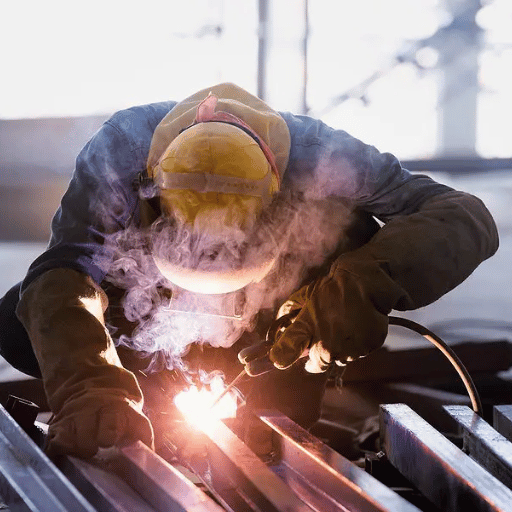 Нормативные требования обновились в 2025 году. ISO 10218-1:2025 и ISO 10218-2:2025 были выпущены как существенная редакция стандартов безопасности роботизированных систем — первая значительная редакция более чем за десять лет. Все ячейки, установленные до 2025 года, следует проверить на соответствие новым требованиям; все новые установки должны им соответствовать. Эти стандарты охватывают режимы совместной работы, функции останова с заданным уровнем безопасности и границу интерфейса между роботом и конечным исполнительным устройством.
- ✔ISO 10218-1:2025 — проектирование роботов с учётом безопасности и защитные меры
- ✔ISO 10218-2:2025 — безопасность интеграции и пусконаладочных работ
- ✔OSHA 1910.252 — общие требования к сварке (пожарное наблюдение, вентиляция, СИЗ)
- ✔Справочник OSHA по стандартам робототехники — требования к безопасности роботов отсылают к ANSI/ISO
- ✔ANSI Z49.1 — безопасность при сварке, резке и смежных процессах (стандарт, опубликованный AWS)
- ✔ISO 15614 — аттестация технологии сварки
📐 Примечание для инженеров — пять этапов подготовки оператора
Читайте также наш подробный материал о стандартах безопасности сварочных роботов.
- Основы процессов сварки (имеющиеся навыки подтверждаются, повторное обучение не проводится)
- Безопасность ячейки, блокировка и маркировка источников энергии, отработка действий при аварийном останове (2-4 часа, обучение проводит поставщик)
- Программирование с пульта обучения: создание траектории и настройка параметров (8-16 часов)
- Рабочий процесс офлайн-программирования и проверка симуляции (16-32 часа)
- Статистическое управление процессами и анализ первопричин дефектов (постоянное обучение)
Промышленная сварка в 2026 году: 5 тенденций, меняющих производство
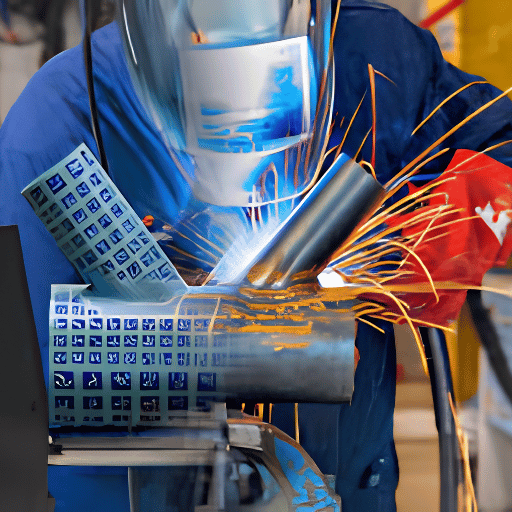 В ближайшие два года будут заметны пять конкретных изменений, основанных на анализе автоматизации сварки Pemamek за 2026 год, данных IFR по установкам и прогнозах AWS по рабочей силе, упомянутых ранее.
- Адаптивная сварка с AI и управлением с обратной связью. Машинное обучение объединяет данные датчиков и в реальном времени корректирует ток, напряжение и скорость перемещения с учётом геометрии шва и состояния соединения. Это сокращает доработку деталей с отклонениями при сборке и ускоряет запуск производства новых деталей. Внедрение идёт неравномерно: алгоритм — простая часть, а калибровка набора датчиков и конвейера данных — сложная.
- Цифровые двойники, виртуальная пусконаладка и дистанционные приёмочные испытания на заводе. Траектории и время цикла проверяют на виртуальной модели ячейки до отгрузки физического оборудования. Это сокращает пусконаладочные работы на объекте на несколько недель. Теперь проектные команды могут проводить дистанционные заводские приёмочные испытания (FAT), даже если работают в разных странах.
- Распространение гибридной лазерно-дуговой сварки в тяжёлом производстве. Преимущество в 26 % по эффективности плавления, показанное в академических исследованиях, теперь используют для продольных швов башен ветрогенераторов и сварки судовых панелей. Следите за появлением новых участников рынка в 2027-2028 годах по мере стабилизации цен на лазерное оборудование.
- Переход к сервисным моделям на основе данных: гарантии бесперебойной работы вместо продажи оборудования. Прогнозное техническое обслуживание, дистанционная диагностика и подписка на запасные части превращают капитальные затраты в операционные расходы на управляемые активы. Ожидается, что к 2027 году контракты с оплатой по результату распространятся от крупнейших клиентов на компании среднего бизнеса.
- Повышение квалификации: от сварщика к оператору робота. Нехватка 400 000 работников в США и прогнозируемая потребность в 320 500 новых сварщиках к 2029 году, по данным AWS, ускоряют этот переход. Поставщики вкладываются в интерфейсы для операторов, цифровые обучающие платформы и программы сертификации, которые помогают сварщикам освоить новую роль, а не требуют от них становиться программистами.
Часто задаваемые вопросы
Вопрос: что такое промышленная сварка?
Посмотреть ответ
Промышленная сварка — это соединение металлов в крупносерийном производстве, выполняемое в соответствии с нормативными требованиями в таких отраслях, как изготовление металлоконструкций, судостроение, автомобилестроение, производство сосудов под давлением, ветроэнергетика, энергетика и трубопроводный транспорт, с применением аттестованных технологий и контролируемым наплавлением металла.
Вопрос: Какие основные способы промышленной сварки существуют?
Посмотреть ответ
В промышленности применяют GMAW (MIG), GTAW (TIG), FCAW (сварку порошковой проволокой), SMAW (ручную дуговую сварку покрытым электродом), SAW (сварку под флюсом), плазменную дуговую сварку, лазерную сварку и гибридную лазерно-дуговую сварку. Способ выбирают с учётом толщины соединения, положения при сварке, материала, требуемой скорости наплавки и таблицы предварительно аттестованных технологий, предусмотренной применимым нормативным документом, а не личных предпочтений.
Вопрос: Сколько стоит промышленный сварочный робот в 2026 году?
Посмотреть ответ
Стоимость комплектов со сварочным коботом начального уровня начинается примерно от $38 950 и достигает $150 000 для более высоких категорий. Полноценные промышленные ячейки с 6-осевыми роботами обычно стоят от $150 000 до $400 000. Стоимость интегрированных систем для тяжёлых условий эксплуатации с порталом, сварочным позиционером, управлением несколькими роботами и датчиками составляет от $400 000 до более чем $1,000,000. По данным интеграторов, срок окупаемости обычно составляет 12-22 месяца при работе в одну смену и 8-14 месяцев при работе в две смены.
Вопрос: Чем отличаются сварка MIG и TIG в промышленности?
Посмотреть ответ
При сварке MIG (GMAW) с непрерывной подачей проволоки наплавляется 1,5-4 кг/ч. Этот способ широко применяют при работе с углеродистой сталью в производстве металлоконструкций и автомобилей. При сварке TIG (GTAW) с неплавящимся вольфрамовым электродом наплавляется 0,5-1,5 кг/ч. Этот способ выбирают для тонколистовых изделий, оборудования из нержавеющей стали для пищевой и фармацевтической отраслей, аэрокосмической промышленности и корневых проходов, когда качество видимой поверхности шва и контроль металлургических характеристик важнее скорости.
Вопрос: Роботизированная сварка быстрее ручной?
Посмотреть ответ
Роботы неизменно превосходят сварщиков при ручной сварке по времени горения дуги: коэффициент использования роботизированной ячейки обычно составляет 70-95 %, тогда как при ручной сварке дуга горит 15-30 % времени. Кроме того, роботы обеспечивают более стабильную геометрию шва. Итоговая производительность зависит от сварочных приспособлений и цикла загрузки деталей не меньше, чем от робота. Поэтому вложения в оснастку должны соответствовать масштабу роботизации, а не отставать от него.
Вопрос: Какие стандарты безопасности применяются к роботизированным сварочным ячейкам?
Посмотреть ответ
ISO 10218-1:2025 и ISO 10218-2:2025 устанавливают требования к проектированию роботов и интеграции. OSHA 1910.252 охватывает общие требования безопасности при сварке, а в вопросах безопасности роботов OSHA ссылается на требования ANSI/ISO. ANSI Z49.1 охватывает требования к защите от сварочных аэрозолей, пожарной безопасности и средствам индивидуальной защиты. ISO 15614 устанавливает требования к аттестации технологии сварки.
Вопрос: Может ли кобот заменить сварочный робот для тяжёлых условий при сварке металлоконструкций?
Посмотреть ответ
Нет — ограничения по грузоподъёмности, радиусу действия и режиму работы не позволяют типичным сварочным коботам выполнять сварку конструкционных балок. Масса сварочной горелки и кабелей уже почти достигает грузоподъёмности кобота в 15-20 кг, ещё до установки датчиков. Требования к безопасности при работе в общем пространстве снижают эффективное время работы до уровня ниже 70-95 %, необходимого для проходов длиной в несколько метров. Коботы подходят для небольших деталей, производств с малым разнообразием продукции и пилотных проектов; для металлоконструкций нужны портальные, консольные или рельсовые системы.
Вопрос: Что такое гибридная лазерно-дуговая сварка?
Посмотреть ответ
Это сочетание лазерной и дуговой сварки, обычно MIG, в одной сварочной ванне. Лазер обеспечивает глубокое и узкое проплавление, а дуга заполняет верхнюю часть шва и компенсирует отклонения в сборке. Такое сочетание позволяет повысить скорость сварки, сузить зону термического влияния и, согласно исследованию IIETA, повысить эффективность плавления стали примерно на 26 % по сравнению с лазерной сваркой.
Об этом анализе
В этом руководстве собраны основные сведения о промышленной сварке с учётом актуальных данных за 2026 год: статистики установок IFR World Robotics 2025, прогнозов по рабочей силе AWS за октябрь 2025 года, недавно опубликованных редакций ISO 10218-1:2025 и ISO 10218-2:2025, а также анализа результатов проектов по автоматизации от Pemamek, AGT Robotics и Daihen. Приведённые цены основаны на отраслевых данных за Q1 2026. Материал проверен инженерной командой Zhouxiang, которая более тридцати лет разрабатывает сварочное оборудование для заказчиков в области металлоконструкций, судостроения и энергетики.
Источники и материалы
- World Robotics 2025 — мировой спрос на роботов — International Federation of Robotics
- World Robotics 2025 от IFR: краткий обзор (PDF) — International Federation of Robotics
- Где найти сварщиков? Welding Digest, октябрь 2025 — American Welding Society
- Данные AWS о рабочей силе в сфере сварки — American Welding Society
- ISO 10218-1:2025 — требования безопасности к робототехнике. Часть 1 — International Organization for Standardization
- ISO 10218-1:2025 — безопасность роботов и робототехнических устройств — American National Standards Institute
- Обновлённые ответы на часто задаваемые вопросы по ISO 10218 — Association for Advancing Automation (A3)
- 1910.252 — общие требования к сварке — U.S. Occupational Safety and Health Administration
- Справочник по стандартам робототехники — U.S. Occupational Safety and Health Administration
- Анализ гибридной сварки TIG-MIG и её влияния на механические свойства — International Information and Engineering Technology Association
- Тенденции автоматизации сварки в 2026 году — Pemamek
- 3 мифа о роботизированной сварке металлоконструкций — AGT Robotics
- Почему большинство проектов по автоматизации сварки терпят неудачу — Daihen USA
Похожие статьи
- Сварочный кобот и промышленный робот: сравнение грузоподъёмности, радиуса действия и режима работы
- Автоматизированные сварочные системы: что нужно знать производственным компаниям
- Как выбрать сварочный робот: руководство по подбору параметров
- Ведущие производители сварочных роботов в 2026 году
- Программирование сварочного робота: пульт обучения или офлайн-программирование
- График технического обслуживания сварочного робота и рекомендации