Свяжитесь с Чжоусяном

Робот-станция для сварки наземного железнодорожного транспорта
Робот-станция для сварки наземных железных дорог для изготовления стальных конструкций
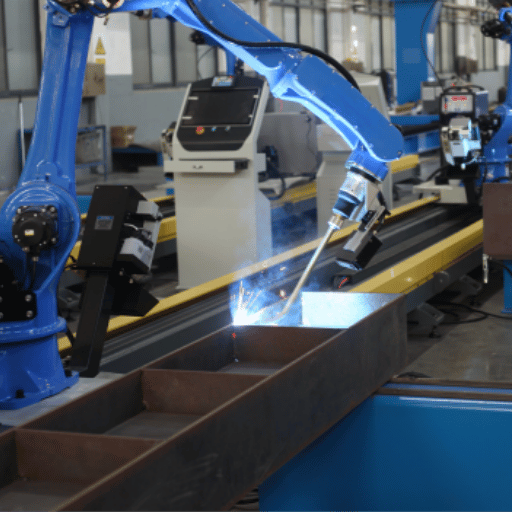
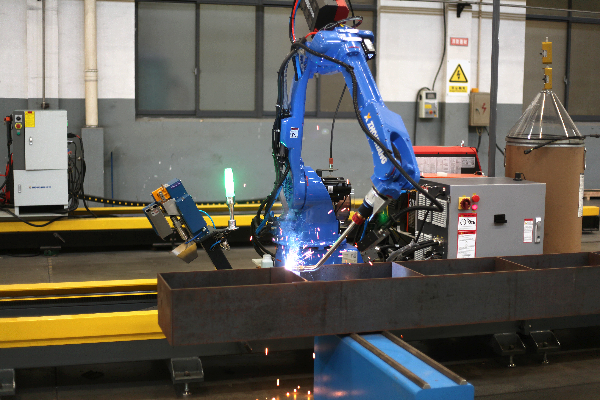
Беспреподавательская рабочая станция сварочного робота, которая считывает модели Tekla и SolidWorks напрямую — нет ручного программирования траектории Лазерное отслеживание швов исправляет отклонения до ±0,05 мм в реальном времени.12m грунтовый рельс позволяет двум роботам работать с обеих сторон балки без изменения положения.Построен ZHOUXIANG, производителем с 30+ лет и 200+ патентами в области автоматизированного сварочного оборудования.
30+
Года Производство
200+
Патенты сохранены
50+
Обслуживаемые страны
±0.05мм
Повторить точность
Как работает сварочная роботизированная станция наземного рельса — рабочий процесс технологии
Наземный рельс сварочный робот станция не один станок Это система ♪ и куски должны говорить друг с другом или вы получаете дорогой лом Вот реальный рабочий процесс от загрузки заготовки до вытягивания готового сварного шва.
01
Настройка загрузки и крепления заготовки
Оператор загружает компонент стальной конструкции на приспособления, расположенные вдоль рельса земли, Для H-образных балок это обычно означает позиционер с головным оперением или приспособление L-типа. система управления подтверждает положение приспособления и присутствие детали, прежде чем что-либо перемещается. Загрузка занимает 2-5 минут в зависимости от размера детали (большая часть из них может быть выполнена, пока робот сваривает предыдущую деталь на противоположной станции.
02
3D-сканирование и обнаружение пласта
Модуль технологии зрения — искатель швов на большие расстояния просмотра в нашем случае — сканирует заготовку и создает облако точек мест соединения. Здесь система может автоматически определять ширину зазора, отверстие корня и положение угла обертывания. Данные поступают прямо в систему управления. не требуется ручного обучения. Вот что мы подразумеваем под сваркой без обучения: робот определяет, где сваривать, глядя, а не проводя вручную через каждое соединение.
03
Генерация пути сварки и сопоставление параметров
Интеллектуальное программное обеспечение машины берет данные сканирования и сопоставляет их с технологической библиотекой. оно выбирает скорость подачи проволоки, скорость движения, напряжение и угол наклона для каждого сегмента шва. Параметры согласования и технологическая библиотека содержат профили для различных типов соединений (филейные сварные швы на канальной стали, стыковые соединения на пластине, V-образную канавку на толстых фланцах. система может автоматически рассчитывать эти настройки без номера пробивки оператора.
04
Роботизированное выполнение сварки
Сварочный робот перемещается по наземному рельсу, выполняя запланированный путь сварки. роботизированный сварочный блок MIG удерживает угол горелки и расстояние торможения, в то время как лазерное слежение вносит поправки в реальном времени для любого отклонения. Параметры дуги остаются заблокированными для целей библиотеки процессов. Датчик предотвращения столкновений контролирует зазор вокруг конца робота (если что-либо неожиданное попадает в зону), система тормозит перед контактом.
05
Проверка качества и разгрузка
После сварки приборы оборудования рабочей станции регистрируют каждый параметр ♪ ток, напряжение, расход провода — на шов. Эти данные возвращают для отслеживания SPC и отслеживания. оператор проверяет готовый сварной шов, выгружает деталь, и цикл повторяется. Общее время цикла зависит от сложности детали, но типичная сварка ребер H-образной балки с автоматической сваркой проходит со скоростью 0,3-0,5 м/мин.
Основные компоненты роботизированной станции наземной сварки
Каждая станция робота для сварки грунтовых рельсов имеет пять основных подсистем. Пропустите любую из них, и все это будет хуже (диск или просто не работает).
Подсистема 01 — 6-осевая рука робота и точная линейная рейка
Робот + железнодорожная система
МР12-2010
12м Стандартный рельс
6м — — 20м+ пользовательский
±0,05 мм Точность
6-осевой рычаг (мы используем серия MR (MR) 12-201012-20 будучи рабочей лошадкой) ездит по прецизионному грунту линейный рельс Наш стандартный рельс 12 метров; мы построили индивидуальные рельсы от 6м до 20м+ для производителей балок моста. рельсовая кровать не просто болтами вниз путь (он спроектирован с демпфированием вибрации и термокомпенсацией, поэтому точность положения робота ±0,05 мм сохраняется даже после нескольких часов нагрева дуги.
Подсистема 02 — интегрированное управление сваркой и планирование трехмерного пути
Система управления + программное обеспечение
Контроллер Friendess
Текла/Солидворкс/УГ
Автоматическое создание путей
Вот тут-то большинство конкурирующих систем и не хватает Нашей Система управления на основе Friendess обрабатывает как кинематику робота, так и параметры процесса сварки из единого интерфейса. Он считывает 3D-модели от Tekla, SolidWorks или UG — те же файлы, которые уже используют ваши инженеры-строители. нет обучения джойстику, нет поточечного программирования. импортируйте модель, программное обеспечение генерирует путь. подробнее об этом ниже.
Подсистема 03 — обнаружение шва в реальном времени и коррекция сварного шва
Лазерное слежение за пластами
Лазерный сканер линии
Коррекция в реальном времени
Варп Компенсация
Лазерный сканер линии и искатель швов на большие расстояния сидят возле факела. перед ударом дуги датчик отображает геометрию соединения — ширина зазора, глубина, угол. во время фактического прохождения он отслеживает шов реальное время и подает коррекции роботу Это то, что сохраняет качество стабильным, когда заготовка деформируется от накопления тепла Без него вы делаете ставку на то, что сталь останется идеально прямой в течение 12 метров. Это не будет.
Подсистема 04 — цифровой источник питания и факел с водяным охлаждением
Источник питания + Факел
Аотай / Мегмит
TRM Факел с водяным охлаждением
Полносменный рабочий цикл
Мы объединяем каждую станцию с Цифровые источники питания Aotai или Megmeet (ваш выбор) и Удлиненные факелы TRM с водяным охлаждением. Водное охлаждение имеет значение на рабочих циклах длинного шва い-охлаждаемые воздухом факелы перегреваются и разрушают сопло после 30-40 минут непрерывной дуги. наши факелы работают в полные смены без теплового дросселирования. сварочный ток, напряжение, и скорость подачи проволоки все синхронизируются через контроллер Friendess — нет отдельного подвеса для источника питания.
Робот-станция для сварки наземной железной дороги по сравнению со станцией для традиционной сварки understational Welding Robot Station Что меняется, а что нет
Переход с ручной или полуавтоматической сварки на наземную станцию рельсовой сварки робот не просто обновление скорости Некоторые вещи становятся значительно лучше Некоторые вещи остаются о том же. И несколько вещей мы будем upfront — требовать корректировки Вот честный сбой, основанный на том, что мы видели на сотнях установок.
Робот-станция для сварки наземного железнодорожного транспорта
Ручная/Полуавтоматическая сварка
Время настройки за новую часть
2 — 5 минут (импорт 3D-модели, автогенерация пути)
✓ 6 × 9 быстрее
Время настройки за новую часть
15 — отметка 45 минут (измерение, установка параметров вручную)
₽ Slow на новых деталях
Сварка согласованность на 12м балки
±0,05 мм отклонение ♪ не дрейфует при усталости
♫ Точность машинного класса
Сварка согласованность на 12м балки
Дрифты после 6м. зависит от мастерства сварщика и уровня усталости.
₽ Переменное качество
Требуется навыки оператора
Уровень оператора станка. 3-дневное обучение. сварочный сертификат не требуется.
✓ Гораздо более низкий барьер
Требуется навыки оператора
Сертифицированный сварщик. 6 (12 месяцев обучения). Сертификаты AWS/EN предпочтительны.
₽ Высокий барьер для входа
Уровень переработки (типичный)
2 — 5% первого пропуска обычно косметический, а не структурный
✓ 4 × меньше браков
Уровень переработки (типичный)
10 — 2 0% на длинных швах. Выше на ночных сменах.
uppree Дорогостоящая переработка
Возможность многосменности
Запускает 2 — сдвиги 3. Нет коэффициента усталости с тем же качеством.
♫ Последовательный 24/7
Возможность многосменности
Качество падает 20 — 30% во вторую/третью смены und документировано неоднократно
Усталость зависит от
Гибкость High-Mix
Обрабатывает более 20 вариаций деталей за смену без перепрограммирования
✓ Цифровая гибкость
Гибкость High-Mix
Сварщик адаптируется естественно, но медленнее на незнакомых суставах
♪ Адаптивность человека
Труд на станцию
1 оператор управляет 1 — 2 станциями одновременно
✓ 2× эффективность труда
Труд на станцию
1 сварщик на станцию плюс слесарь/помощник на больших сборках
% Более высокая стоимость рабочей силы
Первоначальные инвестиции
$35,000 北$150,000 в зависимости от конфигурации
李 Более высокая первоначальная стоимость
Первоначальные инвестиции
$2,000 いTP4T8,000 на сварочную станцию (только оборудование)
♫ Низкая стоимость входа
Робот для сварки грунтовых рельсов для H-образной балки Технические характеристики
| Параметр | ZXR12-2010 |
ZXR10W-1440-D |
Дополнительные модели роботов |
ZXR12-2010 | ZXR10W-1440-D |
Количество осей |
6 осей | 6 осей |
Радиус движения |
2010мм | 1440mm |
Полезная нагрузка |
12КГ | 10КГ |
Уровень защиты |
J1, ось J2 IP56 (J3, J4, J5, ось J6 IP67) |
J1, ось J2 IP56 (J3, J4, J5, ось J6 IP67) |
Метод установки |
напольный/тип кронштейна/перевернутый тип | напольный/тип кронштейна/перевернутый тип |
Мощность мощности |
4,5КВА | 4,5КВА |
Входной/выходной сигнал |
стандартный 16 дюймов/16 из 24 В постоянного тока | стандартный 16 дюймов/16 из 24 В постоянного тока |
Вес робота |
313КГ | 210КГ |
Точность повторения позиционирования |
±0,05 | ±0,05 |
Преодоление распространенных проблем сварки с помощью сварочного робота типа наземной железной дороги
Каждый цех по изготовлению стали имеет свою версию одной и той же головной боли (есть ли это в автомобильной промышленности, строительной отрасли или в общем обрабатывающем оборудовании, промышленном роботе-сварке. мы слышали десятки вариаций. вот что мы видим больше всего, и что на самом деле делает с этим робот-сварщик промышленных роботов. цель всегда одна: двигаться к автоматизации и интеллекту производства стальных конструкций с надежными функциями автоматической сварки и интеллектуальной сварки, которые действительно сокращают время простоя.
Проблема: Квалифицированные сварщики исчезают
AWS прогнозирует нехватку 314 000 сварщиков только в США. Средний возраст сертифицированного сварщика продолжает расти. Обучение занимает 6 12 месяцев. Тем временем заказы накапливаются.
Наш ответ:
Система сварки без обучения Friendess означает обычного оператора машины い сертифицированный сварщик ♪ может управлять станцией Импорт моделей Tekla или SolidWorks, а система делает остальное Один человек курирует две или три машины одновременно.
Проблема: Качественные швы сварки на длинных швах
Ручная сварка на 12-метровом H-образном луче Даже великий сварщик теряет консистенцию за 6-метровую отметку Усталость, дуговые блуждания, сдвиги осанки — они складываются. Частота переделки на длинных швах может достигать 15 20%.
Наш ответ:
Лазерный датчик отслеживает шов в реальном времени и подает поправки в систему управления. Отклонение остается в пределах ±0,05 мм независимо от длины шва. Урожайность первого прохода увеличивается; переработка идет значительно вниз.
Проблема: Окупаемость инвестиций в больших количествах и малых объемах
Традиционным сварочным роботам необходимо перепрограммирование каждой новой детали Если вы делаете 20 различных конфигураций H-beam за неделю, время настройки съедает ваш прирост производительности.
Наш ответ:
Беспреподавательская сварка справляется с этим Система считывает 3D модель, использует технологию зрения для автоматического определения фактической геометрии соединения, регулирует траекторию сварки и запускает. нет поточечного обучения. время переключения падает с часов до минут.
Проблема: Длинные балки не подходят для фиксированных станций
Балку крыши 12 м или подкрановую балку нельзя сварить в ячейку с фиксированным положением. вам нужно будет несколько раз перемещать (каждый стоит один раз) и вносить ошибки выравнивания.
Наш ответ:
12м грунтовый рельс (расширяемый по запросу) позволяет роботу путешествовать по всей длине без изменения положения заготовки. доступны обе стороны рельса. Два робота работают одновременно на установке наземного рельса производственной линии для двойной пропускной способности.
Применения роботов-станок для сварки наземной железной дороги — отрасли промышленности, которые мы обслуживаем
Наземная станция рельсового сварочного робота - это не монопрофильная машина Мы отправляли их на заводы, строящие мосты, склады, корабли, грузовики и конструкции электростанций (и проблемы со сваркой различаются больше, чем вы ожидаете от разных секторов. Вот где мы видим наибольший спрос и то, что обычно нужно каждой отрасли от рабочего места.
Стальная конструкция и изготовление зданий
Это наш хлеб и масло.H-be, коробчатые колонны, фермы крыши, подкрановые балки い они все бегут по наземному рельсу Строительная отрасль пострадала от дефицита сварщика сильнее всего, и магазины, делающие 100+ балок в месяц, не могут масштабироваться только ручным трудом Наши станции обрабатывают элементы от 3м до 12м за один проход.
Мост и инфраструктура
Изготовление моста означает тяжелые пластины, длинные пролеты и нулевой допуск на дефекты сварного шва. Мы поставили 15 м заказную установку рельса подрядчику по производству стали моста в Саудовской Аравии — диафрагменные пластины, ребра жесткости и сварные швы главной балки, все обрабатываются одной системой. отслеживание лазерного шва здесь имеет решающее значение, поскольку искажение пластины на этих толщинах может сдвинуть соединения на 23 мм.
Судостроение и морское дело
Верфям нужно сваривать под нечетными углами.Т-платформы, U-образные ребра, продольные ребра жесткости — это не плоские детали, красиво сидящие на столе. поэтому 8-осевая консольная конфигурация (ZX-XRYSW100) получает больше всего заказов из этого сектора. лишние оси достигают положений угла обертывания, к которым не могут получить доступ стандартные 6-осевые рычаги.
Автомобильная и тяжелая техника
Автомобильная промышленность железнодорожные станции для рам шасси, агрегатов прицепов, и компонентов тяжелых грузовиков Объемы выше, чем работы со стальной конструкцией, и скорость переключения имеет значение еще больше Наша система без обучения позволяет этим цехам переключаться между 58 различными конфигурациями рам за смену без перепрограммирования.
Энергетическое и энергетическое оборудование
Конструкции электростанций, рамы трансмиссионных башен — все тяжелые, все длинные, требующие сертифицированных сварных швов по стандартам ASME или AWS. Библиотека процессов в нашей системе управления хранит наборы параметров для углеродистой стали, нержавеющей стали и стали для атмосферных воздействий, обычно используемых в энергетическом строительстве. Один оператор сказал нам: “Робот не устает в 2 часа ночи. Мои сварщики сделали.”
Общее технологическое оборудование и промышленное оборудование
Обрабатывающее оборудование промышленная роботизированная сварка охватывает широкий диапазон い конвейерных рам, основания машин, гидравлические резервуары сборки, и все виды структурных сварных швов. часто эти части разовые или небольшие партии, Вот где система без обучения зарабатывает свою крепость Импортировать модель, сварить деталь, двигаться дальше. нет программирования отставание.
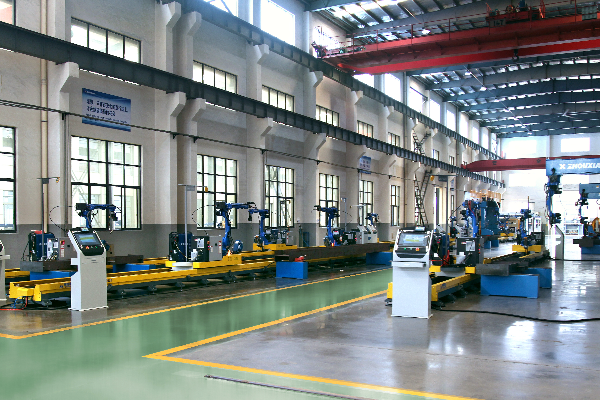
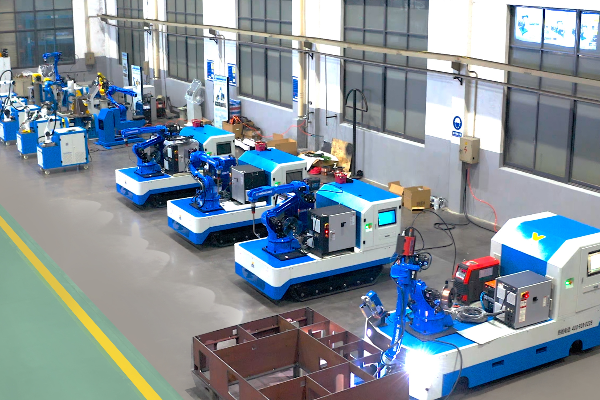
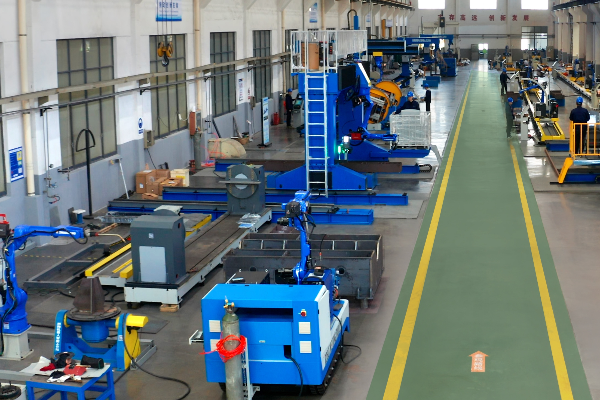
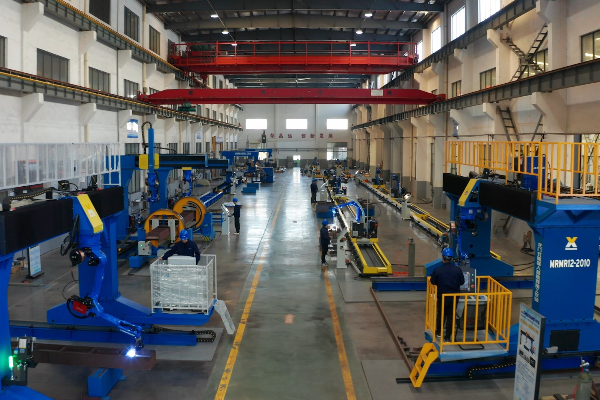
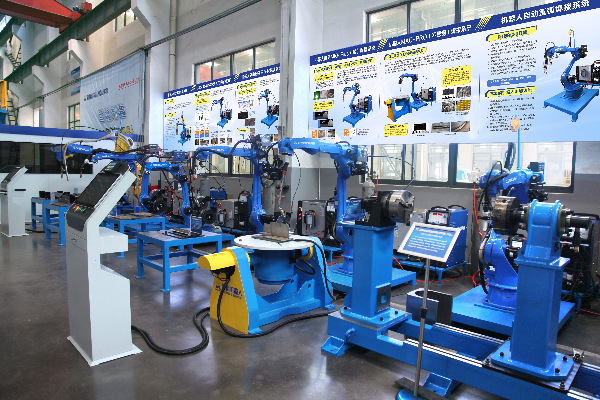
Чжоусян интеллектуальный сварочный робот Рабочая станция Производственная база
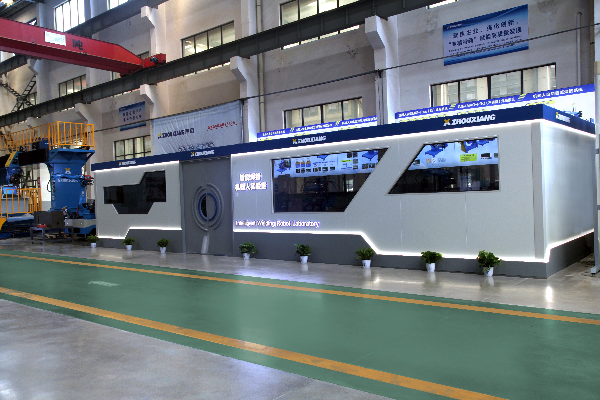
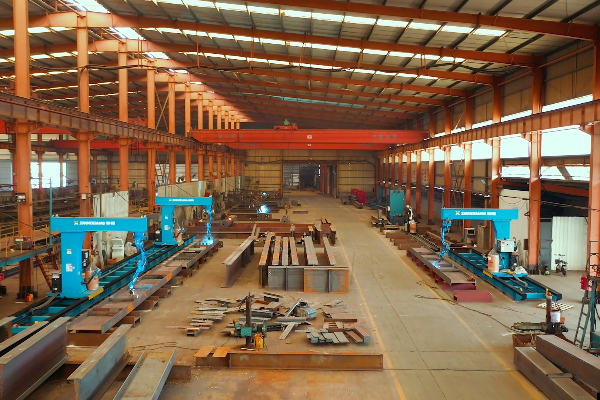
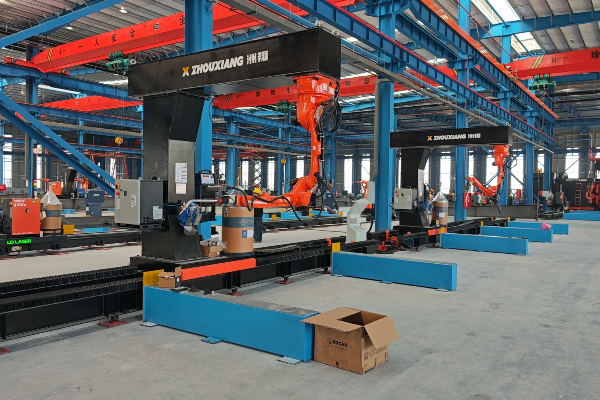
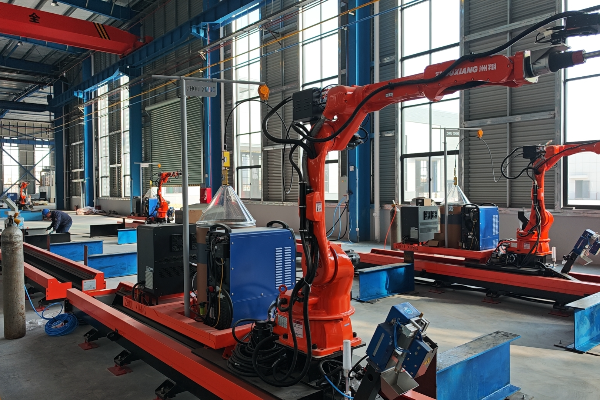
×
![]()
Робот-станция для сварки наземного железнодорожного транспорта — системы безопасности, стандарты и соответствие требованиям
Безопасность на роботизированной сварочной ячейке - это не только наклейки CE. Речь идет о том, что происходит, когда зажим скользит, когда балка смещается во время сварки или когда оператор приближается слишком близко к движущейся руке со скоростью 1,5 метра в секунду. Мы разработали несколько слоев защиты для каждой станции робота для сварки рельсов и протестировали их на собственном горьком опыте, на реальных производственных этажах, а не только в моделировании.
ИСО 10218-1/2
Безопасность роботов. определяет ограничения скорости, ограничения силы и требования к аварийной остановке промышленных роботов. Все наши рычаги MR12-2010 соответствуют требованиям.
МЭК 62443
Промышленная кибербезопасность Контроллер Friendess подключается к вашей сети для импорта моделей wwer 62443 определяет, как мы защищаем это соединение.
ИСО 9001:2015
Управление качеством.Каждая станция робота для сварки грунтовых рельсов покидает нашу фабрику с полным досье качества いпроверяющие записи, образцы тестовых сварных швов, калибровочные сертификаты.
CE/ISO 14001
Экологическая и безопасность продукции для европейских рынков Мы перевозим и то, и другое. машины, отправляемые в страны ЕС, включают полную документацию CE в ящик.
AWS D1.1/EN 1090
Стандарты качества сварных швов. в нашей библиотеке параметров хранятся проверенные рецепты соответствия D1.1 (конструкционная сталь) и EN 1090 (стальная конструкция с маркировкой CE).
Робот-станция для сварки наземного рельса (Ground Rail Welding Robot Station) Поставщик (OEM), ODM & индивидуальных решений
ZHOUXIANG поставляет роботизированные станции для сварки грунтовых рельсов как в стандартных моделях, так и в виде полностью настроенных пакетов OEM/ODM. Мы построили частные сварочные рабочие станции для реселлеров в Германии, Турции и Бразилии. Если вы дистрибьютор или интегратор, желающий добавить роботизированную сварку в свое портфолио, вот что мы можем сделать:
Пользовательские конфигурации
Длина рельсов от 3м до 20м+.Одиночные или двойные роботы. ваш выбор бренда сварщика (мы интегрируем Aotai, Megmeet, Lincoln, Fronius).Варианты позиционера включают L-тип, P-тип, головной убор и сверхмощный роторный. мы проектируем вокруг вашего цеха, а не наоборот.
Цены на флот
Покупка 3+ единиц? мы предлагаем объемную цену, которую не отражает большинство котировок одной станции. Один заказ на парк от турецкой группы по производству стали охватывал 8 станций на 3 заводах (что своего рода сделка перемещает иглу по стоимости единицы продукции.
Логистика и поддержка
Мы отправляем CIF/FOB в любой крупный порт. ящики и погрузка контейнеров обрабатываются собственными силами. поддержка ввода в эксплуатацию доступна на месте или удаленно через нашу цифровую двойную систему. части оборудования рабочей станции доступны в виде запасных комплектов, а инструменты оборудования рабочей станции имеют 12-месячную гарантию.
Хотите найти подробную информацию и цену о вариантах роботов для вашего проекта? Самый быстрый маршрут - через форму предложения ниже — наша команда по экспорту отвечает в течение 24 часов в рабочие дни.
Получите мгновенное предложение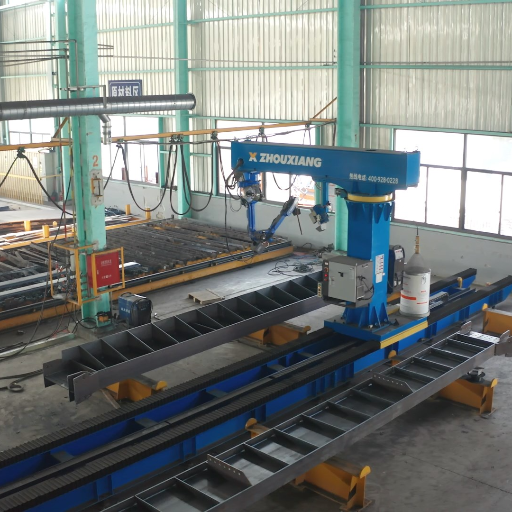
Интерактивное сравнение
Сравнение наземных железных дорог с консольными и портальными сварочными роботами
Сравните три основных типа рабочих станций рядом. Выберите пару, чтобы увидеть характеристики, плюсы и ограничения.
Выберите пару для сравнения
Наземный рельс против кантилевера
Наземный рельс против Gantry
Кантилевер против Гантри
Дополнительные инструменты для роботизированной станции для сварки наземной железной дороги
Сварочный робот ROI и калькулятор окупаемости
Рассчитайте возврат инвестиций мгновенно Определите, сколько вы можете сэкономить, автоматизируя процессы сварочной станции на наземном рельсе.
Селектор моделей станций наземной сварки
Найдите идеальную конфигурацию для ваших нужд.Сравните спецификации и выберите идеальную модель наземного рельса для вашей производственной линии.
Истории глобального успеха: Робот-станция для сварки наземной железной дороги в действии
Часто задаваемые вопросы (FAQ)
Как интеллектуальная машина производственной линии наземной железнодорожной сварочной роботизированной станции повышает согласованность?
Машина интеллектуальная производственная линия наземный рельс сварки робот станции использует технологию с совпадающими параметрами и технологической библиотекой для автоматического расчета путей сварки. оборудование рабочей станции снабжено с датчиком анти-коллизии мониторинг в конце робота так чрезмерное ручное вмешательство падает почти до нуля. рабочие части сделаны на жесткие допуски ± 0,05 мм система может ограничить диапазон отклонения до ± 0,05 мм, что сохраняет качество повторяемых на коробке стали и круглой стали одинаково. мы видели, как производители в металлообрабатывающей промышленности режут переработку на 80% или более после переключения с ручного.
Как лазерное зондирование интегрировано в установку сварки MIG роботизированной руки наземной рельсовой сварки?
Лазерный датчик крепится возле горелки и отслеживает шов перед дугой. в наших конфигурациях сварки роботизированной руки MIG с помощью наземной рельсовой сварки технология обзора фиксирует геометрию сустава нутряной зазор, угол обертывания, смещение края — положение и подает эти данные в контроллер в реальном времени. Компоненты, такие как модули датчиков, предоставляются известными производителями в отрасли (мы используем оптику Бочу). Контроллер перекрестно ссылается на данные сканирования в соответствии с совпадающими параметрами и технологической библиотекой, затем регулирует путь горелки и сварочный ток, чтобы робот мог автоматически рассчитывать поправки без остановки.
Какие части оборудования рабочей станции наиболее важны?
Большая тройка: роботизированная рука MIG горелка/контроллер, система зрения, и позиционер. после этого инструменты оборудования рабочей станции — источники питания, газовые регуляторы (поддерживают работу) все. Приобретенные части рабочей станции, такие как датчики и приводы, должны поступать от брендов, на которых вы можете получить обслуживание локально. Наши получены от Aotai, Megmeet и Bochu 'все известные производители в промышленности с глобальными сетями поддержки. И не упускайте из виду датчик антиколлизии it's что защищает руку робота $40,000 от ошибки $200.
Как конец робота защищен от столкновения и смещения?
Конец робота несет датчик силы/момента плюс программно определенный диапазон предельного отклонения. если факел контактирует с чем-то неожиданным — неправильно подобранная сварная шва, неправильно подобранная пластина — интеллектуальный контроллер машины убивает движение факела в течение миллисекунд. система также использует данные технологии зрения для прогнозирования проблем с зазором до того, как они произойдут. Части рабочей станции изготовлены с большими запасами прочности, а параметры соответствия и библиотека процессов включают процедуры предотвращения столкновений для каждого типа соединения.
Может ли станция обрабатывать различные профили, такие как коробочная сталь и круглая сталь?
Да — и это многое. станция наземного рельса производственной линии обрабатывает коробчатую сталь, круглую сталь, Н-образную балку, канальную сталь и большинство других распространенных структурных профилей. Хитрость заключается в сопоставлении параметров и библиотеки процессов: каждый материал и геометрия имеют свой собственный набор параметров. Технология Vision определяет фактические размеры заготовки, а роботизированный рычаг MIG-контроллер регулирует угол горелки, скорость движения и ток соответственно. У нас были магазины, работающие по пяти различным типам профилей в одну смену без перепрограммирования.
Какую роль играют компоненты известных производителей?
Справедливый вопрос — и честный ответ: большой. компоненты, предоставляемые известными производителями (сварщики Aotai, источники питания Megmeet, модули зрения Bochu), означают, что вы получаете последовательную калибровку, надлежащую документацию и фактическую гарантийную поддержку. Закупленные части рабочей станции должны соответствовать стандартам ISO и IEC или другим эквивалентным сертификатам (потому что датчик, который дрейфует на 0,1 мм, сбрасывает весь ваш сварной шов. Дешевые компоненты экономят деньги заранее и обходятся вам втрое в простой.
Как технологии зрения уменьшают чрезмерное ручное вмешательство?
Технология зрения выполняет сразу три задания: поиск шва перед сваркой, мониторинг бассейна во время сварки и проверка качества после. Камера передает данные в реальном времени контроллеру, который сопоставляет их с соответствующими параметрами и библиотекой процессов. Если штрек сустава происходит, система корректируется. Если есть изменение зазора, это компенсирует результат? Оператор загружает заготовку, запускает и проверяет, когда цикл заканчивается. Никакого присмотра за детьми. Вот как на практике выглядит "сокращение чрезмерного ручного вмешательства" это не маркетинговая фраза, это буквально то, что происходит.
Какие стандарты следует проверять при выборе деталей и приборов для сварочной роботизированной станции?
Начните со стандартов ISO и IEC или других эквивалентных региональных сертификатов ♪ ISO 9001 для управления качеством, IEC 61131 для систем управления, ISO 10218 для безопасности роботов.Убедитесь, что детали рабочих станций изготовлены поставщиками, которые могут предоставить протоколы испытаний, а не только листы спецификаций. Для деталей и приборов рабочей станции конкретно убедитесь, что источник сварочного питания соответствует вашим местным электрическим кодам и что система технического зрения имеет маркировку CE или UL. Наши станции поставляют полную документацию, охватывающую соответствующие параметры и библиотеку процессов, схемы проводки и графики технического обслуживания, потому что углы нарезки документов - это то, как проекты интеграции идут вбок.