Свяжитесь с Чжоусяном

Совместный сварочный робот (кобот)
Совместный сварочный робот для точной автоматизации
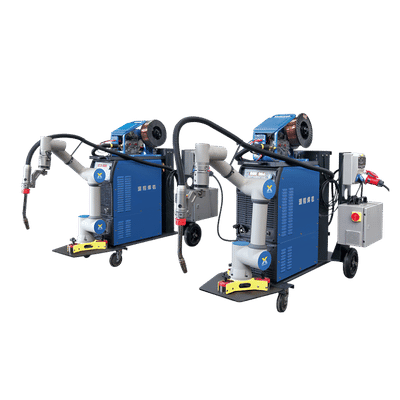
Совместный сварочный робот Чжоусяна сочетает в себе легкую руку робота, интеллектуальный источник сварочного питания и легкое программирование для обеспечения высокоточной сварки коботов для судостроения, изготовления металлов и промышленной сварки. Разработан для совместной работы человека и робота на вашем заводе.
34
Годы в Сварке
200+
Патенты сохранены
50+
Обслуживаемые страны
2,400+
Развернутые роботы
Понимание сварки коботов
Что такое робот для совместной сварки?
Совместные сварочные роботы, или сварщики-коботы, предназначены для работы вместе с экспертами по сварке. Они используют роботизированные сварочные наконечники и выполняют сварочные задачи, как это сделал бы человек. Промышленные роботы требуют больших огороженных зон и обширного программирования для работы, в то время как сварочные коботы предназначены для простоты использования и включают в себя функции безопасности для защиты пользователей, повышая гибкость автоматизации сварки.
01
Совместная операция
Сварщики коботов позволяют безопасно работать со сварщиками-людьми, Они могут работать в одних и тех же помещениях и не нуждаются в разделении обширным ограждением, чтобы обеспечить их безопасность.
02
Простое программирование
Облегченное кодирование устраняется системой перетаскивания и обучения. роботы могут направляться телескопическим рычагом для записи сварочного тракта и путевой точки. Существуют также факторы помех сварки, которые можно регулировать.
03
Превосходное качество сварки
Для одной и той же задачи сварки очень важны постоянная повторяющаяся скорость движения и энергия дуги, а также соответствующая подача тепла. Интегрированное отслеживание дуги может исправить отклонения, вызванные колебаниями тепла.
04
Повышенная производительность
Преобразование задач, не связанных со стоимостью, увеличение количества доработок и исключение времени переналадки. операции ручной сварки можно интегрировать с системами cobot, что приводит к снижению затрат на сварку и повышению эффективности системы.
05
Экономичная автоматизация
По сравнению с классическими роботизированными сварочными системами затраты значительно ниже Простая компоновка системы и меньшие затраты на интеграцию и комплектующие от оптовых китайских производителей означают лучшую рентабельность инвестиций.
06
Гибкое развертывание
Лучше всего подходит для высоко-смешанных, малообъемных рабочих процессов производства и сред с частой сменой работы. их портативная конструкция и магнитная база позволяют быстро перемещать между несколькими сварочными станциями.
Модели сварочных коботов: совместные роботы, созданные для сварочных задач
Каждый кобот Zhouxiang поставляется как полная сварочная система い не голая рука робота, который нуждается в шестимесячной работе интеграции. каждая модель включает в себя руку робота, интерфейс источника питания сварки, крепление горелки, программное обеспечение управления, и ваш выбор пакета сварки MIG или TIG.
01
Компактный
ZX-CW6 Легкий кобот
Полезная нагрузка 6 кг · Вылет 900 мм · ±0,03 мм повторяемость
Построен для узких мест — судостроительные отсеки, небольшие конструктивные детали, кронштейны. весь агрегат весит менее 24 кг. Его несет один человек. Магнитное базовое крепление запирается за считанные секунды. это то, что клиенты нашей верфи продолжают переупорядочивать.
02
Универсальный
Среднечастотный кобот-сварщик ZX-CW10
Полезная нагрузка 10 кг · Вылет 1300 мм · ±0,02 мм повторяемость
Рабочая лошадка. выполняет большинство работ по сварке и дуговой сварке MIG в стальной фабрикации い косынки, опорные плиты, сборки рам. подходит для прокатной тележки или неподвижной тумбы. интегрированное отслеживание дуги с коррекцией отклонения в реальном времени. вероятно, наша самая продаваемая модель, если быть честным.
03
Тяжелый
ZX-CW16 Кобот расширенного охвата
Полезная нагрузка 16 кг · Вылет 1700 мм · ±0,02 мм повторяемость
Для более крупных сварных швов (корпуса резервуаров, компоненты мостов, тяжелые элементы конструкции. дополнительный вылет означает меньше повторений на длинных швах. поддерживает многопроходные последовательности сварных швов и узоры переплетения. сочетается с нашей системой отслеживания лазерного зрения для соединений с регулируемой посадкой.
04
Судостроение
Морская серия ZX-CWM
IP54 Защита · Магнитная основа · Портативная конструкция
Специально построен для среды верфи. IP54 пыле - и брызгозащита.Глубококатные колеса для транспорта на уровне палубы.Магнитная основа крепко держится на стальных поверхностях — пластины корпуса, переборки, стенки танков. интерфейс "тащить-в-учить" был разработан вокруг операторов, которые никогда раньше не прикасались к роботу, который, в большинстве верфей, является всем.
05
Рельсовый
Система наземного железнодорожного транспорта ZX-CWR
Расширенное путешествие · Визуальный искатель швов · Автоматическая оптимизация
Кобот, установленный на линейном грунтовом рельсе для расширенного перемещения на сварных швах с длинным швом Визуальный искатель швов плюс автоматическая оптимизация процесса Обучение безрезультатной работе на прямых — система считывает геометрию соединения и генерирует путь сварного шва Работает с обеих сторон рельса с одной рукой робота. Построен для линий H-образного луча и производства коробчатых балок.
06
Консольный
Станция портальных коботов ZX-CWG
Большой размах портала · Стереокамера · Облачные технологии точек
Крупнопролетная портальная конструкция для негабаритных заготовок. система стереокамер Bochu с реконструкцией облака точек.Handles сложные узлы い Т-ребра, U-ребра, трубы сборки.Can запустить управляемый моделью или без рисования операции.Этот стирает грань между cobot и полной роботизированной сварочной ячейкой, но программирование остается таким же простым.
Спецификации
Спецификации сварочного кобота и сравнение производительности
Реальные цифры, а не маркетинговый пух. каждый параметр ниже приходит от производственных единиц い не лабораторных прототипов. если вам нужна конкретная конфигурация или пользовательский охват/полезная нагрузка, мы тоже (подробнее о OEM-вариантах ниже).
| Параметр | ZX-CW6 | ZX-CW10 | ZX-CW16 | ZX-CWM Морской |
|---|---|---|---|---|
| Топоры | 6 | 6 | 6 | 6 |
| Полезная нагрузка | 6 кг | 10 кг | 16 кг | 8 кг |
| Достигать | 900 мм | 1300 мм | 1700 мм | 1100 мм |
| Повторяемость | ±0,03 мм | ±0,02 мм | ±0,02 мм | ±0,03 мм |
| Вес робота | 24 кг | 33 кг | 52 кг | 28 кг |
| Сварные Процессы | МИГ, ТИГ | МИГ, ТИГ, Дуга | МИГ, ТИГ, Дуга, Лазер | МИГ, Арк |
| Рейтинг IP | IP44 | IP54 | IP54 | IP54 |
| Программирование | Перетаскивание в обучение | Перетаскивание в обучение | Перетаскивание в обучение + Видение | Перетаскивание в обучение |
| Отслеживание дуги | Стандартный | Стандартный | Лазерное зрение | Стандартный |
| Базовые параметры | Магнитный/Пьедестал | Корзина/Пьедестал/Железная дорога | Пьедестал/рельс/козловой | Магнитные / Колеса |
| Безопасность | Ограниченная по силе (ISO/TS 15066) | Ограниченная по силе (ISO/TS 15066) | Ограниченная по силе (ISO/TS 15066) | Ограниченная по силе (ISO/TS 15066) |
| Мощность | 220В однофазный | 220-380В | 380В трехфазный | 220В однофазный |
Оптовая
Оптовые решения для сварки коботов: OEM, оптовые заказы и индивидуальные конфигурации
Мы работаем с интеграторами оборудования, дистрибьюторами оборудования, и конечными пользователями растений напрямую. никакие посредники не добавляют наценку. нужен ли вам один cobot сварщик для пилотного проекта или двадцать единиц для многозаводского выкатного процесса, то же самое — мы специфицируем его в вашем сварочном приложении, строите его, тестируйте под нагрузкой и отправляйте.
Получить оптовые цены →ОЭМ/ОДМ
Пользовательский брендинг, программные интерфейсы, аппаратные конфигурации У нас есть системы сварки cobot с белой маркировкой для интеграторов в Германии, Турции, Бразилии Ваш бренд, наше производство.
Флот/Массовые заказы
Цены на объем на 3+ единиц. стандартизированные конфигурации для развертывания на нескольких площадках. стабильное качество сборки с одного заводского этажа в Уси.
Инженерное дело на заказ
Нестандартный охват? специфическая интеграция источника питания сварки? необычные требования к монтажу? мы сделали это Наша команда НИОКР обрабатывает индивидуальные механические и программные модификации собственными силами.
Глобальная логистика
Экспортно упакованные, маркированные CE, отправленные CIF или FOB Уси/Шанхай. типичное время выполнения: 4-6 недель для стандартных моделей, 8-12 недель для пользовательских конфигураций. мы обрабатываем таможенную документацию.
Проблемы и исправления
Реальные проблемы, реальные исправления: почему магазины переходят на совместную роботизированную сварку
Мы установили коботов на верфях, сталелитейных заводах, в мастерских, на заводах по производству энергетического оборудования.Проблемы, которые способствуют внедрению, не абстрактны. Это те же головные боли, с которыми вы, вероятно, сейчас имеете дело.
Проблема
Не могу найти сварщиков ♪ И те, которые у тебя стареют
AWS сообщает, что к 2028 году США потребуется 330 000 новых специалистов по сварке. Средний возраст сварщика - 55 лет. В этом году вы, вероятно, трижды публиковали один и тот же список вакансий. Звучит знакомо?
Наш подход
Сварщик коботов умножает существующую команду
Один опытный сварщик, управляющий коботом, может обойти двух ручных сварщиков на повторяющихся соединениях. ваши опытные люди сосредотачиваются на сложной установке приспособлений для работы い, многопроходных сварных швах, проверке качества. робот обрабатывает прямые швы. Это не теория; мы видели, как это разыгрывается в десятках магазинов.
Проблема
Традиционная роботизированная сварка слишком дорога и жестка
Огороженная роботизированная сварочная ячейка работает под управлением $150K-$300K, на интеграцию уходит несколько месяцев, и в штате нужен робот-программист Если вы делаете 200 номеров деталей в месяц, одни только накладные расходы на программирование съедают вашу рентабельность инвестиций.
Наш подход
Системы сварки коботов начинаются с $45K — с настройкой "перетаскивание в обучение"
Ни ограждения безопасности, ни выделенного программиста, ни шестимесячной линии интеграции. мастер вашего магазина — парень, который занимается сваркой уже 20 лет, но никогда не писал строку кода — может научить кобота новому пути сварки менее чем за десять минут. мы наблюдали, как это происходит. нас до сих пор удивляет, как быстро он щелкает.
Проблема
Качество сварки варьируется от смены
Утренняя команда в понедельник кладет красивые бусины. вечером в пятницу экипаж (разная история) Ручная сварка означает человеческие вариации: усталость, изменение осанки, непостоянная скорость движения. переделка накапливается.
Наш подход
Коботы не устают Каждый пас выглядит как первый.
Как только вы научите траекторию сварки, кобот повторяет ее в пределах ±0,02-0,03 мм. та же скорость движения, тот же угол факела, то же расстояние противостояния (смена после смены).Наши клиенты обычно видят, как скорость переработки падает с 5-9% до менее 2%. Робот не дрейфует после обеда. Плохой пятницы у него нет.
Проблема
Нет места на полу для полной автоматизации
Ваш магазин уже забит. запросить 200 квадратных футов площади в клетке плюс предохранительные блокировки нереально. особенно если вы перестраиваете пол сезонно.
Наш подход
Закатай это в. Маг-Запри. Сварка.
Коботы Zhouxiang на катящейся тележке занимают около 4 квадратных футов площади пола Магнитное базовое крепление крепко держится на любой стальной поверхности い болты Вам даже не нужны Когда работа меняется, поднимите его и проведите куда-нибудь еще Один из наших польских клиентов перемещает своих коботов между станциями шесть или семь раз в месяц.
Сварочный кобот против традиционного робота
Как сравниваются роботы для совместной сварки
При сравнении традиционных роботов-сварщиков и сварочных коботов коботы отдают приоритет максимальной скорости, а не безопасности, быстрому развертыванию и гибкому программированию, что может лучше подходить для сред с высоким микшированием и малым объемом.
| Особенность | Кобот Сварка (Чжоусян) | Традиционный промышленный робот | Ручная сварка |
|---|---|---|---|
| Время настройки | Часы — 1 день | Недели — Месяц — — — — — недели — — — — — — — — — 1000 000 000 000 000 000 000 000 000 000 000 000 000 000 000 00 00 00 00 00 00 00 000 00 00 000 00 00 00 000 000 00 000 000 000 00 00 00 00 00 00 00 00 0 00 0 00 0 00 00 0 0 0 0 0 0 0 0 0 0 0 0 0 0 | Немедленно |
| Программирование | Перетаскивание и обучение, без кода | Требуется специалист | Н/Д |
| Ограждение безопасности | Не требуется | Требуется полное ограждение | Только СИЗ |
| След | Компактный, Мобильный | Большая фиксированная ячейка | Минимальный |
| Гибкость (высокая смесь) | ★★★★★ | ★★☆☆☆ | ★★★★★ |
| Последовательность | ±0,05 мм Повторяемый | ±0,02 мм Повторяемый | Оператор Зависимый |
| Время дуги | 60–80% | 75–95% | 15–30% |
| Инвестиционная стоимость | $50K — $150K $50K | $200K — $50K+ | Низкий капвложения, высокий труд |
| Период ROI | 12 — 18 месяцев | 24 (а) 48 месяцев | Н/Д |
| Настройка OEM/ODM | ♫ Доступен полный OEM | Ограниченный | Н/Д |
Доверенный Китай Производитель
Почему производители по всему миру выбирают Чжоусян
20+
Года Сварка Экспертиза
Более двух десятилетий опыта производства сварочного оборудования. наша команда инженеров имеет сертификаты Американского сварочного общества (AWS) и стандарты китайской сварочной промышленности.
ОЭМ
Полная настройка OEM/ODM
Как непосредственный заводской производитель, мы предлагаем полный OEM и ODM совместной сварки робот решений — индивидуальный полезная нагрузка, охват, сварочный процесс, брендинг, и программное обеспечение интеграции ♪ к вашим спецификациям.
40%
Стоимость Преимущество
По сравнению с западными брендами, китайское производство предлагает экономию 30 (30) (40%), сохраняя при этом качество высшего уровня. CE, ISO 10218 и соответствие глобальной технической поддержке.
50+
Обслуживаемые страны
Сотрудничая с местными дистрибьюторами, мы обеспечиваем оперативную послепродажную поддержку в более чем 50 странах мира, включая Азию, Европу, Северную Америку, Южную Америку и Ближний Восток.
ИСО
Сертификаты качества
Каждый совместный сварочный робот проверен на качество и сертифицирован по стандарту ISO 9001.Мы соблюдаем все международные стандарты сварки и правила безопасности (ISO 10218) для роботов.
24/7
Глобальная техническая поддержка
Инженерная поддержка по всему миру, удаленная помощь и видеообучение. запасные части доставляются в течение 48 часов, а установки можно направлять с помощью видеопомощи.
Инструменты анализа автоматизации сварки
Калькулятор рентабельности инвестиций в сварочный кобот
Откройте для себя финансовые преимущества автоматизации. вводите свои текущие затраты на рабочую силу и производственные данные, чтобы мгновенно оценить свою отдачу от инвестиций с помощью наших совместных сварочных роботов.
Рассчитать рентабельность инвестиций
Кобот против ручной сварки: оценка производительности
Сравните традиционную ручную сварку с эффективностью cobot.Visualize разницу в производительности, согласованности и скорости, чтобы понять истинный прирост производительности для вашей производственной линии.
Сравнить Производительность
Внедрение сварочных коботов
Как начать работу с совместным сварочным роботом
Программирование преобразует опыт сварщика в повторяемую систему сварки коботов. Начните с обучения по демонстрации, чтобы зафиксировать подход, угол наклона горелки и скорость движения.
01
Оцените свое приложение
Составьте карту вашей смеси сварочных приложений, основных материалов, типов соединений и целевых показателей времени цикла. Наши инженеры оценивают геометрию детали и рекомендуют оптимальную конфигурацию сварки cobot.
02
Настройте свою систему
Соответствовать вылет руки робота, полезная нагрузка, и сварочный источник питания для MIG, TIG, дуги, или лазерной сварки. проверьте совместимость сварочных горелок и приспособлений с существующими сварочными машинами.
03
Обучение и программа
Используйте легкое программирование "перетаскивание и обучение", чтобы записывать пути сварки. кодифицируйте параметры сварки — напряжение, ток, подачу проволоки и инициирование дуги (применение в шаблонах заданий).Фон кодирования не требуется.
04
Производить и масштабировать
Проверьте с короткими пилотами производства, затем масштабируйте.Подключите решение для сварки cobot к производственным данным для планирования работ, отслеживания и записи качества сварки. Повысьте производительность с первого дня.
Часто задаваемые вопросы (FAQ)
Совместный робот, или ‘кобот’, - это тип робота, предназначенный для безопасной работы в сочетании с человеческими работниками, и, следовательно, его, как правило, гораздо легче реализовать, чем обычные промышленные сварочные роботизированные ячейки. Совместная роботизированная сварка фокусируется на сотрудничестве рабочих и роботов, простоте программирования и менее ограничительных зонах безопасности, тогда как промышленная роботизированная сварка подчеркивает более крупные роботизированные системы рук, огороженные ячейки и большую сварочную способность для более тяжелого и плотного производства. Решения для сварки коботов предназначены для сварки на малых и средних расстояниях, обеспечивая при этом точные сварные швы для задач, которые ранее требовали ручных сварщиков или высококвалифицированных роботов-программистов.
Автоматизация, наряду с упаковками сварочных коботов, повышает производительность, позволяя сварщикам вручную сосредоточиться на более сложной работе, одновременно автоматизируя задачи, которые повторяются, эргономически сложны или требуют высокой точности. Решения для сварки коботов обычно предназначены для простоты использования и, следовательно, имеют тенденцию включать в себя сквозное программирование или другие простые функции программирования, которые минимизируют время настройки. Использование коботов с роботизированными руками от Universal Robots или других совместных моделей роботов может помочь сократить время цикла, сократить переработку и улучшить согласованность качества сварных швов, и все это способствует увеличению производственных мощностей для повторяющихся задач ограниченного объема.
Разница между сваркой и ручной сваркой показывает, что сварочные коботы повторяемы, обеспечивают стабильное качество сварных валиков и снижают усталость оператора, в то время как ручная сварка обеспечивает гибкость и способность адаптироваться к сложным или уникальным деталям. Сварщик-кобот уменьшит вариативность и увеличит производительность за счет сварки длинных швов с постоянными параметрами сварки. Однако ручные сварщики по-прежнему имеют преимущество в сложных сценариях посадки или когда требуется некоторое тактильное решение. Многие производственные цеха с опытными ручными сварщиками начали использовать совместную роботизированную сварку для увеличения, а не замены ручных сварщиков.
Сварочное оборудование и системы, которые входят в пакеты сварки коботов, являются роботизированной рукой, источником сварочного питания (MIG, TIG или инвертор дуговой сварки), подающим сварочную проволоку, сварочной горелкой, некоторыми сварочными приспособлениями, некоторыми коботами безопасности сварки, датчиками безопасности, интуитивно понятным приварке пультом управления и контроллером удобства использования сварки. Некоторые поставщики упакуют универсальный робот или другие модели коботов с запатентованным программным обеспечением, чтобы проинструктировать кобота и облегчить быструю активацию. пакеты для высокоточной сварки и сварки TIG будут включать предлагаемые горелки и настройки, соответствующие стандартам Американского общества сварки и специфическим требованиям процедуры сварки.
Большинство совместных моделей роботов имеют простые методы программирования, программирование на лиде, удобные графические интерфейсы и отраслевые наборы инструментов, поэтому даже те, кто не имеет знаний в области программирования, могут научить кобота. программирование кобота может быть достигнуто путем направления роботизированной руки по намеченному маршруту или с помощью программного обеспечения для программирования, а не написания уровней проприетарного программного обеспечения. Такие удобные методы программирования позволяют большинству, если не всем, компаниям быстро обучить кобота и начать сварку с ним как можно быстрее.
Стоимость решения для сварки коботов определяется полезной нагрузкой и сварочной способностью, а также оснасткой и программным обеспечением Однако в большинстве случаев решения кобота с самого начала стоят значительно дешевле, чем полностью интегрированные промышленные роботизированные сварочные ячейки. использование кобота имеет заметное преимущество в стоимости из-за снижения потребности в тяжелой охране и сложной интеграции, особенно в небольших и средних мастерских. с точки зрения общей стоимости необходимо учитывать меньшее количество рабочих часов, более высокую производительность и более короткие периоды нарастания. Последовательность качества продукции, предоставляемой роботами, наряду с новой автоматизированной сваркой в гибких, более дешевых условиях, остается наиболее выгодным фактором для большинства производителей и явно оправдывает инвестиции. Множественные шаблоны, традиционно необходимые для автоматизированных сварочных систем, больше не нужны новым системам, что знаменует собой революцию в сварочных системах.
Абсолютно, сварочные коботы поддерживают целый ряд приложений, таких как дуговая сварка (MIG/MAG) и TIG, среди прочих, если они оборудованы для них Пакеты сварки коботов являются модульными и позволяют настраивать вашу установку, сварочную горелку, и источник питания в зависимости от того, планируете ли вы делать много прецизионной сварки или тяжелую работу с углами. хотя многие сложные сварные швы лучше всего достигаются с помощью ручной сварки, многие приложения, которые требуют последовательных результатов, сместились в сторону автоматизированной сварки.
При интеграции совместных сварочных роботов в ваш процесс, первый шаг заключается в том, чтобы понять ваше сварочное приложение, включая геометрию детали, время цикла, и требования к сварке, Это позволит вам определить, какой пакет cobot предлагает лучшие сварочные характеристики и безопасность, а также наилучшим образом подходит для вашего применения. Следите за своим процессом с поставщиками, чтобы определить, какие роботы руки и сварщики будут работать лучше всего вместе, и обучить вашу команду, чтобы научить cobot использовать простые программирование или методы вывода. запустите пилотный проект для тестирования одной рабочей станции, чтобы убедиться, что у вас есть правильные параметры сварки и приспособления для достижения желаемого результата. По мере продвижения процесса интегрируйте совместных роботов для сварки в свои рабочие центры и сосредоточьтесь на ручной сварке роли, которые вам необходимо поддерживать для другой работы.